
Real Estate Valuations in a Falling Market: Understanding What the Numbers Really Mean
Chris Dempsey: Head of Transaction Execution, Corval Avenue and qualified valuer In periods of market volatility, such as the current...




In Soccer, the stronger team on paper does not always win, as Australia’s recent 2–0 victory over Turkey at the 2026 FIFA World Cup demonstrated.
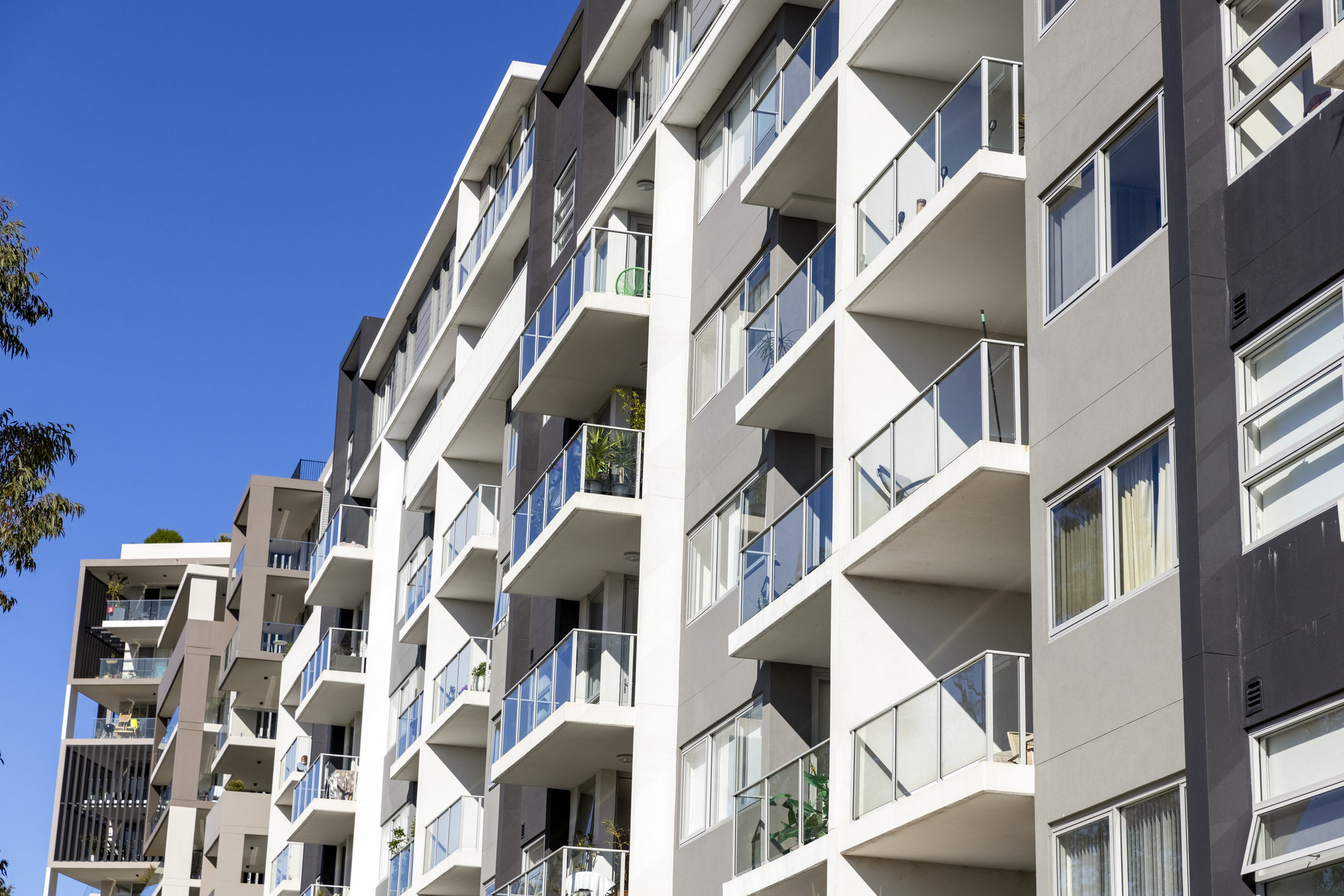
Sydney’s housing market faces a similar problem: the apartment pipeline looks substantial, but converting those plans into completed homes is becoming increasingly difficult.
Higher borrowing costs, tax reform and financial pressure across major developers are testing the residential market. Recent headlines have focused on developer debt and lender exposure, but the effects can spread much further. Delayed projects can affect builders, banks, purchasers and the future supply of housing, particularly in Inner Western Sydney, where major private developers control significant residential pipelines.
JLL is tracking approximately 54,500 apartments across Greater Sydney between 2026 and 2030. This includes 22,200 apartments under construction, 23,700 with approved plans and 6,500 with plans submitted. Yet only 2,000 apartments were completed during the first half of 2026.
The pipeline may be large, but planning approval is just the starting whistle. A project must still secure sufficient equity, development finance, credible pre-sales, a viable construction contract and a capable builder.
Demand is not an issue. The challenge is whether apartments can be delivered at a commercially viable cost to meet this demand.
CBRE notes that residential capital values have historically grown at ~3x the rate of construction costs, helping unlock land and encourage development. However, construction costs increased by around 33% over the four years to 2025 and have outpaced apartment value growth.
This has compressed development margins and increased the equity required to commence projects. Sydney can therefore remain significantly undersupplied while individual developments are still difficult to finance.
Higher interest costs are also reducing purchaser borrowing capacity, slowing pre-sales and increasing developers’ holding costs. Projects with high leverage, limited contingencies or pre-sales achieved before a display suite is completed require closer scrutiny. The headline number of sales is not enough deposit levels, purchaser concentration, incentives, valuation support and settlement risk all matter.
CBRE forecasts Sydney apartment delivery will average approximately 12,300 dwellings per annum between 2026 and 2030, well below estimated annual housing demand of around 27,000 dwellings. Sydney’s apartment vacancy rate is consequently forecast to decline from 2.0% to 1.1% by 2030.
Undersupply may support rents and completed apartment values over time, but it does not remove the financing, construction and delivery risks involved in bringing new housing to market.
Over the next three months, I expect residential capital values to remain broadly flat (0–2%) as the market adjusts to proposed tax reforms and elevated interest rates. Rental fundamentals should remain resilient, with vacancy continuing to tighten and rents expected to increase, supported by persistent tenant demand.
At the same time, there are increasing signs that a number of residential projects no longer stack up from a feasibility perspective. Developers carrying elevated LVRs and thin equity buffers are likely to face refinancing pressure, with some assets expected to enter restructuring, workout or receivership processes. This should continue to support private credit, where flexible capital solutions, recapitalisations and refinancing are becoming increasingly important as traditional lenders remain selective and opportunistic managers assess distressed mandates.

Chris Dempsey: Head of Transaction Execution, Corval Avenue and qualified valuer In periods of market volatility, such as the current...


Disclosure: Corval Avenue does not have any exposure to Bathla Group. Historically, Corval Avenue has been a lender, however it...

Private Credit Alchemy – Can Illiquid Investments Be Turned Into Liquid Gold? Three of the biggest names in private credit...
Receive property fund updates, market commentary, and expert analysis — straight to your inbox.